
The Big Fat Debate
The Truth About Fats:
Understanding the Good, the Bad and the Ugly
Not All Fats Are Created Equal -
Let's start by debunking a common myth: not all fats are created equal, and not all fats will make you fat. In fact, the right kinds of fats can actually help reduce inflammation, increase your metabolism, and encourage your body to burn fat instead of relying on sugar for fuel. It's all about understanding what happens when these fats enter your body.
The Trouble with
Polyunsaturated and Trans Fats -
Polyunsaturated trans fats, particularly those high in omega-6 fatty acids like linoleic acid, can be problematic. Through a chain reaction, linoleic acid can produce pro-inflammatory markers in the body, leading to increased inflammation and insulin resistance .
One of the key mechanisms behind this process is mitochondrial dysfunction. Linoleic acid has been shown to damage cardiolipin, a crucial molecule in the inner mitochondrial membrane . This damage can lead to a leaky membrane, allowing protons to leak out of the mitochondrial matrix and impairing energy production. As a result, the cell becomes overwhelmed with reactive oxygen species (ROS), leading to oxidative stress and insulin resistance.cupiditate similique quisquam et deserunt, recusandae.
The Omega Imbalance-
Part of the problem lies in the fact that we consume an excessive amount of omega-6 fatty acids from various food sources, while our intake of omega-3 fatty acids is often insufficient. Omega-6 fatty acids can be pro-inflammatory, while omega-3s are known for their anti-inflammatory properties . When our bodies are overloaded with omega-6s and lack sufficient omega-3s, there's an imbalance that can contribute to chronic inflammation.
The Fat Storage Conundrum-
Part of the problem lies in the fact that we consume an excessive amount of omega-6 fatty acids from various food sources, while our intake of omega-3 fatty acids is often insufficient. Omega-6 fatty acids can be pro-inflammatory, while omega-3s are known for their anti-inflammatory properties . When our bodies are overloaded with omega-6s and lack sufficient omega-3s, there's an imbalance that can contribute to chronic inflammation.
The Benefits of Monounsaturated and Saturated Fats-
On the other hand, monounsaturated fats have been shown to improve insulin sensitivity and reduce the risk of type 2 diabetes . But that's not all – the right kinds of fats, including monounsaturated and saturated fats, have been demonstrated to help with blood sugar control by increasing insulin sensitivity .
Moreover, one of the most satiating foods you can consume is monounsaturated and saturated fats. They can be even more satiating than protein, without spiking your insulin levels .
The Takeaway-
In the world of fats, it's crucial to understand the differences between the various types and their impact on our health. While polyunsaturated and trans fats can contribute to inflammation, insulin resistance, and fat storage, monounsaturated and saturated fats can actually be beneficial for blood sugar control, insulin sensitivity, and satiety.
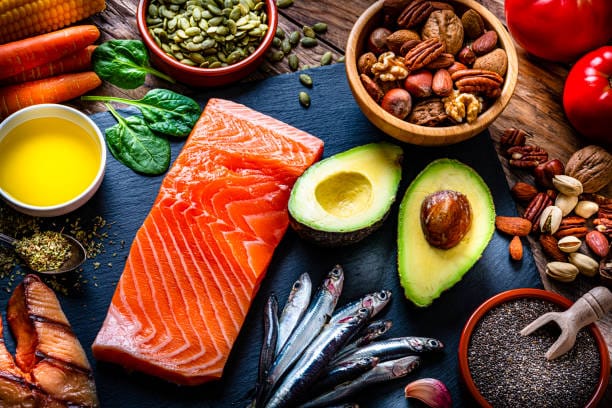
Remember, moderation is key, and it's essential to maintain a balanced intake of different types of fats, with a focus on healthy sources like avocados, nuts, seeds, and fatty fish. By making informed choices and understanding the role of fats in our bodies, we can pave the way for better overall health and well-being.
Citations
Simopoulos, A. P. (2016). An increase in the omega-6/omega-3 fatty acid ratio increases the risk for obesity. Nutrients, 8(3), 128.
Ren, J., Sowers, J. R., & Zhang, Y. (2018). Mitochondrial defects and increased reactive oxygen species in the insulin-resistant brain. Antioxidants, 7(6), 77.
Calder, P. C. (2006). n-3 polyunsaturated fatty acids, inflammation, and inflammatory diseases. The American journal of clinical nutrition, 83(6), 1505S-1519S.
Gao, F., Kiesewetter, D., Chang, L., Ma, K., Bell, J. D., Yang, Y., & Rapoport, S. I. (2009). Radiolabeling of an omega-3 fatty acid with cyclotron-produced bromine-76 and biodistribution evaluation in a mouse model of obesity. Molecular Imaging and Biology, 11(4), 237-246.
Gillingham, L. G., Harris-Janz, S., & Jones, P. J. (2011). Dietary monounsaturated fatty acids are protective against metabolic syndrome and cardiovascular disease risk factors. Lipids, 46(3), 209-228.
Gao, D., Griffiths, H. R., & Bailey, C. J. (2009). Oleate protects against palmitate-induced insulin resistance in L6 myotubes. British Journal of Nutrition, 102(11), 1557-1563.
Piers, L. S., Walker, K. Z., Stoney, R. M., Soares, M. J., & O'Dea, K. (2002). The influence of the type of dietary fat on postprandial fat oxidation rates: monounsaturated (olive oil) vs saturated fat (cream). International journal of obesity, 26(6), 814-821.
Ready for the benefits?
The system including the tea Unimate and the premeal drink Balance, that is changing the landscape of Insulin resistance and related disorders across the globe?

Misha Fayant - Why Me?
I am committed to providing reliable and actionable insights on insulin resistance. With a passion for promoting wellness, I strive to make complex health concepts accessible and relevant to your daily life, helping you achieve a healthier future.
Connect with me.
Enhance your wellness path with guidance. Tailored coaching through the Feel Great System or AO Scan services.Fill out our form, for assistance and kickstart your journey to combat insulin resistance starting today!
Related posts
Exploring the ways in which virtual reality and artificial intelligence are shaping the future of game design, and how developers can take advantage of these technologies to create more immersive and interactive experiences.
Lorem ipsum dolor sit amet, consectetur adipisicing elit. Autem dolore, alias, numquam enim ab voluptate id quam harum ducimus cupiditate similique quisquam et deserunt, recusandae.
Lorem ipsum dolor sit amet, consectetur adipisicing elit. Autem dolore, alias, numquam enim ab voluptate id quam harum ducimus cupiditate similique quisquam et deserunt, recusandae.


Connect with me
Got questions I would love to help, just reach out!
The information provided on this blog regarding insulin resistance, diabetes, and related health conditions is based on my own personal journey and research into addressing insulin resistance for better health. However, I am not a doctor or healthcare professional, and the content on this blog does not constitute medical advice, diagnosis, or treatment recommendations.
I am simply sharing the knowledge and insights I have gained through my own experiences and studies. This information should not be used as a substitute for professional medical advice, diagnosis, or treatment from a qualified healthcare provider. You should always consult your physician or other qualified healthcare professional before starting any new treatment, diet, exercise program, or making any changes to an existing treatment plan.
Individual health situations and needs vary, and the information provided on this blog may not be suitable or accurate for your specific circumstances. I make no representations or warranties of any kind about the completeness, accuracy, or reliability regarding the information provided on this blog for any purpose. Any reliance you place on such information is strictly at your own risk.
Created with ©systeme.io
Privacy policy | Terms of use | Cookies