
The Intricate Dance Between Insulin Resistance and Hypertension:
Insulin resistance, a condition where the body's cells become less responsive to insulin, has been closely linked to the development of hypertension, or high blood pressure. So closely linked that many specialists have been saying that 95% of hypertension is related to Insulin Resistance as a driver.
While at first glance, these two conditions might seem unrelated, the underlying mechanisms reveal a complex interplay. Let's delve into five key ways in which insulin resistance contributes to hypertension and explore how addressing the root cause can lead to better health outcomes.
1. Endothelial Cell Dysfunction:
The Thickening of Vascular Walls
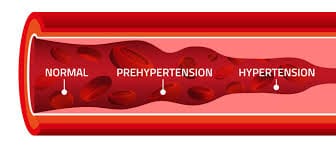
At the heart of the problem lies endothelial cell dysfunction. The endothelium, the innermost layer of blood vessel walls, plays a critical role in maintaining vascular health. Insulin resistance can lead to the thickening and stiffening of these cells. This occurs due to the accumulation of extracellular matrix proteins, such as collagen and elastin, and the proliferation of smooth muscle cells. As a result, the blood vessels become less flexible, impairing their ability to dilate and constrict in response to various stimuli.
Imagine your blood vessels as flexible hoses that can expand and contract to regulate blood flow. When they become stiff and thick, akin to old, hardened garden hoses, the pressure inside increases because the vessels cannot adjust as needed. This increased stiffness and reduced elasticity are major contributors to elevated blood pressure.
2. Reduced Nitric Oxide Production:
The Vasodilator's Decline
Nitric oxide (NO) is a potent vasodilator produced by the endothelial cells lining blood vessels. It's like a natural relaxant for your blood vessels, helping them dilate and thus reducing blood pressure. However, insulin resistance disrupts the signaling pathways responsible for NO production, leading to lower levels of this crucial molecule. Without sufficient NO, blood vessels remain constricted, and blood pressure rises.
Think of nitric oxide as a peacekeeper. When its production is hampered, the vessels are unable to stay relaxed, leading to a state of constant tension and higher blood pressure.
3. Aldosterone Dysregulation:
The Sodium Balance Disruption
Aldosterone, a hormone produced by the adrenal glands, plays a key role in regulating sodium and fluid balance in the body. Insulin resistance is associated with elevated aldosterone levels, which leads to excessive sodium and fluid retention. This increase in blood volume is like overfilling a water balloon: the pressure inside the balloon rises, much like the pressure in your arteries.
The body’s balance is delicate. When insulin resistance tilts the scale, the resulting fluid retention adds more volume to the bloodstream, pushing blood pressure upward.
4. Increased Cortisol and the Fight-or-Flight Response:
The Stress Factor
Cortisol, known as the stress hormone, is another player in this complex scenario. Insulin resistance is often accompanied by elevated cortisol levels. High cortisol levels can activate the sympathetic nervous system, triggering the "fight-or-flight" response. This response constricts blood vessels and increases heart rate, both of which contribute to higher blood pressure.
Consider cortisol the body's alarm system. When it’s constantly ringing, it keeps the body in a state of high alert, causing blood vessels to constrict and pressure to build up.
5. LDL A/B Balance Shift:
The Cholesterol Conundrum
Insulin resistance affects cholesterol metabolism, leading to an imbalance in the ratio of LDL (low-density lipoprotein) particles. Specifically, it favors the smaller, denser LDL-B particles over the larger, more buoyant LDL-A particles. This shift increases the risk of atherosclerosis, where plaque builds up inside the arteries, further exacerbating endothelial dysfunction and hypertension.
Visualize LDL particles as traffic on a highway. The denser, smaller LDL-B particles are like slow-moving trucks that clog up the road, leading to traffic jams (atherosclerosis) and increased pressure on the artery walls.
Addressing the Root Cause with the Feel Great System by Unicity
Understanding the mechanisms linking insulin resistance and hypertension underscores the importance of tackling insulin resistance to manage blood pressure effectively. This is where the Feel Great System by Unicity comes into play. The Feel Great System is designed to address the root causes of insulin resistance through a holistic approach involving nutrition, supplementation, and lifestyle changes.
By promoting a healthy diet rich in fiber, healthy fats, and lean proteins, the Feel Great System helps regulate blood sugar levels and improve insulin sensitivity. Regular physical activity and weight management are also integral parts of the program, aiding in the reduction of insulin resistance and, consequently, blood pressure.
In essence, the Feel Great System provides a comprehensive pathway to wellness. By targeting insulin resistance, it not only helps in managing hypertension but also reduces the risk of associated cardiovascular complications. It’s about fostering a healthier, more resilient body from the inside out.
Final Thoughts
The link between insulin resistance and hypertension is intricate but clear. By understanding the underlying mechanisms, we can better appreciate the importance of addressing insulin resistance as a foundational step towards managing blood pressure and improving overall health. The Feel Great System by Unicity offers a practical and effective solution to tackle these challenges, paving the way for a healthier, happier life.
Citations
Schiffrin, E. L. (2004). Vascular stiffening and arterial compliance: implications for systolic blood pressure. American Journal of Hypertension, 17(12 Pt 2), S39-S48.
DeFronzo, R. A., & Ferrannini, E. (1991). Insulin resistance. A multifaceted syndrome responsible for NIDDM, obesity, hypertension, dyslipidemia, and atherosclerotic cardiovascular disease. Diabetes Care, 14(3), 173-194.
Muniyappa, R., Iantorno, M., & Quon, M. J. (2007). An integrated view of insulin resistance and endothelial dysfunction. Endocrinology and Metabolism Clinics, 36(2), 365-383.
Rossi, G. P., Seccia, T. M., & Pessina, A. C. (2008). Primary aldosteronism: cardiovascular, renal and metabolic implications. Trends in Endocrinology & Metabolism, 19(3), 88-90.
Rosmond, R., & Björntorp, P. (2000). The hypothalamic–pituitary–adrenal axis activity as a predictor of cardiovascular disease, type 2 diabetes and stroke. Journal of Internal Medicine, 247(2), 188-197.
Whitworth, J. A., Williamson, P. M., Mangos, G., & Kelly, J. J. (2005). Cardiovascular consequences of cortisol excess. Vascular Health and Risk Management, 1(4), 291.
Krauss, R. M. (2004). Lipids and lipoproteins in patients with type 2 diabetes. Diabetes Care, 27(6), 1496-1504.
Eckel, R. H., Kahn, S. E., Ferrannini, E., Goldfine, A. B., Nathan, D. M., Schwartz, M. W., ... & Smith, S. R. (2011). Obesity and type 2 diabetes: what can be unified and what needs to be individualized? Diabetes Care, 34(6), 1424-1430.
The Power of In
Ready for the benefits?
The system including the tea Unimate and the premeal drink Balance, that is changing the landscape of Insulin resistance and related disorders across the globe?

Misha Fayant - Why Me?
I am committed to providing reliable and actionable insights on insulin resistance. With a passion for promoting wellness, I strive to make complex health concepts accessible and relevant to your daily life, helping you achieve a healthier future.
Connect with me.
Enhance your wellness path with guidance. Tailored coaching through the Feel Great System or AO Scan services.Fill out our form, for assistance and kickstart your journey to combat insulin resistance starting today!
Lorem ipsum dolor sit amet, consectetur adipisicing elit. Autem dolore, alias, numquam enim ab voluptate id quam harum ducimus cupiditate similique quisquam et deserunt, recusandae.
Lorem ipsum dolor sit amet, consectetur adipisicing elit. Autem dolore, alias, numquam enim ab voluptate id quam harum ducimus cupiditate similique quisquam et deserunt, recusandae.
Related posts
Exploring the ways in which virtual reality and artificial intelligence are shaping the future of game design, and how developers can take advantage of these technologies to create more immersive and interactive experiences.
Lorem ipsum dolor sit amet, consectetur adipisicing elit. Autem dolore, alias, numquam enim ab voluptate id quam harum ducimus cupiditate similique quisquam et deserunt, recusandae.
Lorem ipsum dolor sit amet, consectetur adipisicing elit. Autem dolore, alias, numquam enim ab voluptate id quam harum ducimus cupiditate similique quisquam et deserunt, recusandae.


Connect with me
Got questions I would love to help, just reach out!
The information provided on this blog regarding insulin resistance, diabetes, and related health conditions is based on my own personal journey and research into addressing insulin resistance for better health. However, I am not a doctor or healthcare professional, and the content on this blog does not constitute medical advice, diagnosis, or treatment recommendations.
I am simply sharing the knowledge and insights I have gained through my own experiences and studies. This information should not be used as a substitute for professional medical advice, diagnosis, or treatment from a qualified healthcare provider. You should always consult your physician or other qualified healthcare professional before starting any new treatment, diet, exercise program, or making any changes to an existing treatment plan.
Individual health situations and needs vary, and the information provided on this blog may not be suitable or accurate for your specific circumstances. I make no representations or warranties of any kind about the completeness, accuracy, or reliability regarding the information provided on this blog for any purpose. Any reliance you place on such information is strictly at your own risk.
Created with ©systeme.io
Privacy policy | Terms of use | Cookies